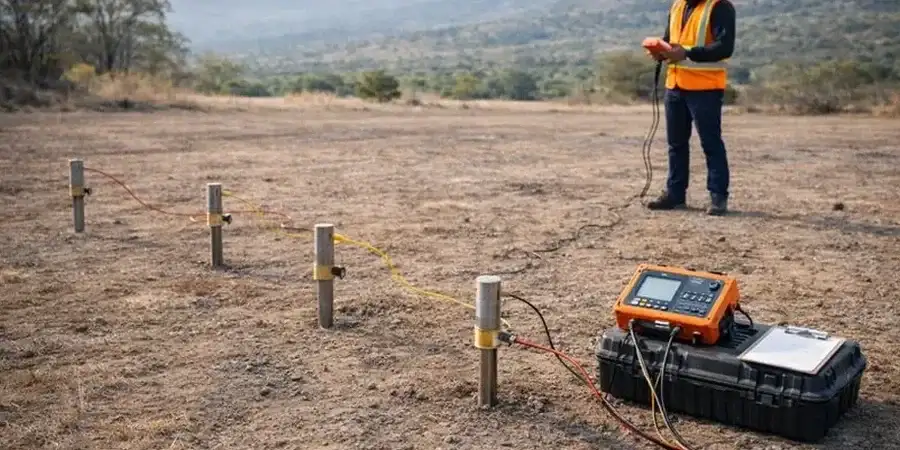
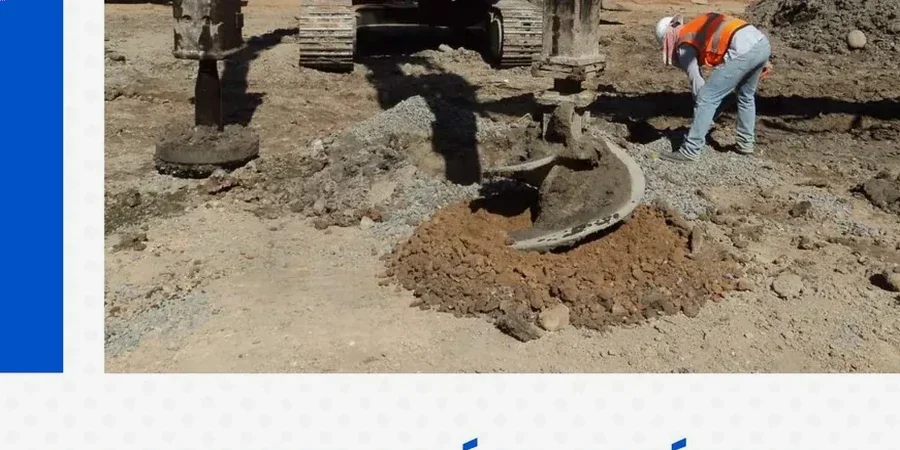
Quebec City's expansion from the fortified Upper Town onto the deep post-glacial deposits of the St. Lawrence Lowlands created a geotechnical puzzle that engineers still solve today. The Champlain Sea left behind a blanket of sensitive marine clay — known locally as Leda clay — that can lose most of its strength when remolded. Earthquakes complicate the picture. The Charlevoix Seismic Zone, just downstream, generates the highest seismic hazard in eastern Canada, and the 1925 Charlevoix-Kamouraska magnitude 6.2 event reminded everyone that soft ground amplifies shaking. Stone column design in this context goes beyond settlement reduction. It must address liquefaction mitigation, maintain shear strength under cyclic loading, and preserve the clay's fragile structure during installation. Our approach integrates NBCC spectral acceleration values with site-specific CPT data — often gathered through a companion CPT test campaign — so that column spacing, diameter, and depth are calibrated to the real stratigraphy, not just a desk assumption.
On Champlain Sea clay, stone column design is as much about preserving the soil's sensitive structure during installation as it is about selecting the right replacement ratio.