GEOTECHNICAL ENGINEERING
QUEBEC CITY
HomeRoadwayFlexible pavement design

Flexible Pavement Design in Quebec City: Avoiding Premature Rutting on Champlain Sea Clays

Evidence-based design. Reliable delivery.

LEARN MORE

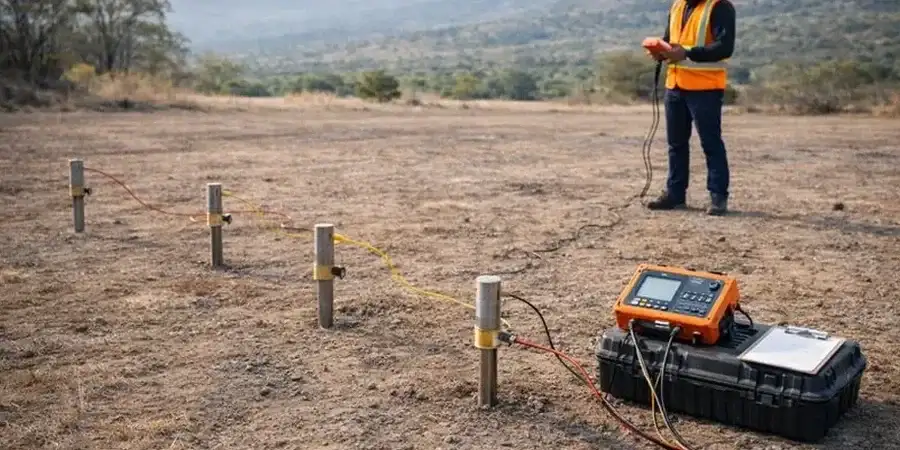
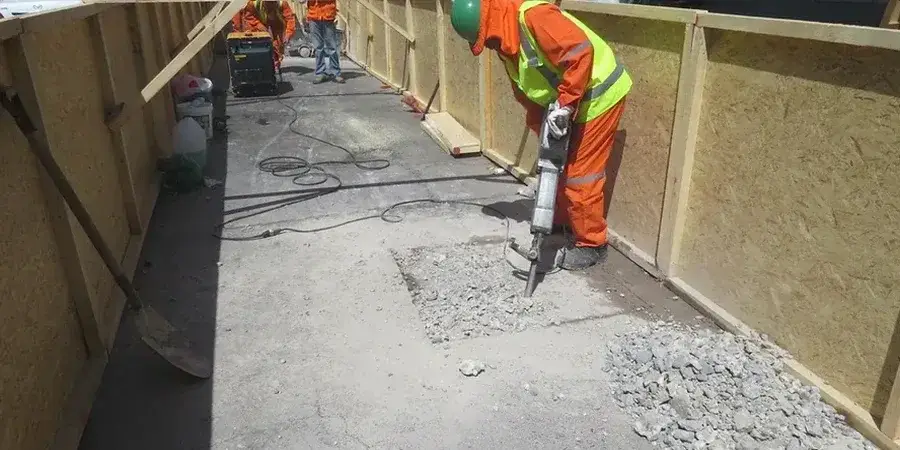
The most expensive mistake we see on Quebec City road projects is designing a granular base thickness for Montreal conditions. That 600 mm section that works fine in the St. Lawrence Lowlands fails spectacularly here after two freeze-thaw cycles. The Champlain Sea clays underlying much of the region don't just heave—they lose 60% of their bearing capacity during spring thaw when the ice lenses melt. We've pulled pavement cores on boulevard Laurier that showed 80 mm of rutting after three winters because the CBR road testing was done in August instead of April. A proper flexible pavement design for Quebec City has to account for the full -30°C to +30°C temperature swing, the frost penetration depth that reaches 1.8 m in exposed areas, and the fact that your subgrade moisture content in Sainte-Foy is completely different from what you get in the Limoilou basin. Our approach integrates the AASHTO 1993 method with MTQ's empirical adjustments for northern climates, then validates everything with plate load testing on the prepared subgrade before we place the first lift of asphalt.

A pavement section that ignores the Champlain Sea clay subgrade will show terminal rutting before the first maintenance cycle—usually by year three.
Our service areas

Our approach and scope

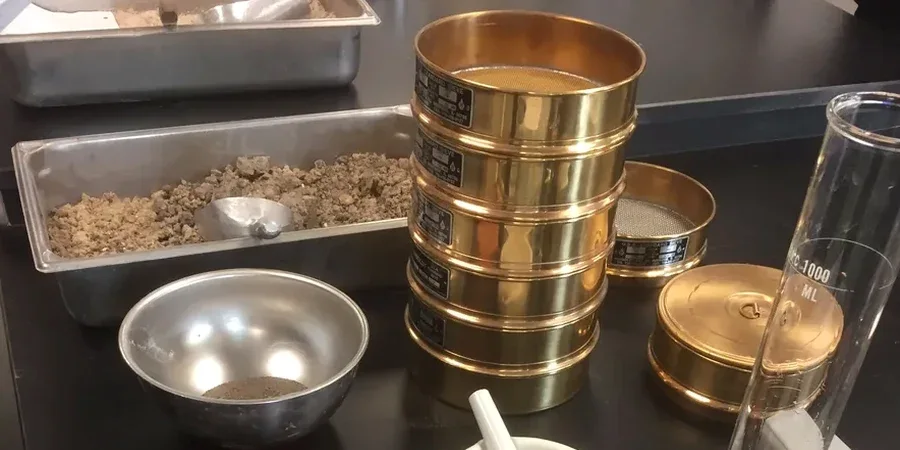
The difference between building a parking lot in Sainte-Foy versus the Saint-Roch district comes down to what's sitting 1.2 meters below the asphalt. Sainte-Foy sits on compacted glacial till with decent drainage and CBR values typically above 8%. Saint-Roch—built on former river flats of the Saint-Charles—has organic silts and high groundwater that gives you CBR values closer to 2-3% if you're lucky. That means your granular base thickness jumps from 450 mm to nearly 900 mm for the same traffic loading. We combine grain size analysis with Atterberg limits to characterize the fines content that drives frost susceptibility, because anything above 10% passing the 75 µm sieve in the subgrade puts you into frost-susceptible territory under CSA standards. Our pavement designs specify layer coefficients calibrated for Quebec aggregates—crushed gneiss from the Canadian Shield quarries north of the city performs differently than the limestone aggregates used in southern Ontario. The MTQ's *Guide de conception des chaussées* gives you the framework, but applying it to the microclimates within Quebec City requires local judgment.
Flexible Pavement Design in Quebec City: Avoiding Premature Rutting on Champlain Sea Clays
Technical reference — Quebec City

Site-specific factors

Quebec City sits on a post-glacial marine clay deposit that reaches 60 meters thick in the lower city. The Champlain Sea clays have a sensitivity ratio above 30 in some zones—meaning they lose almost all their strength when remolded by construction traffic or freeze-thaw cycling. Spring bearing capacity on an unprotected subgrade can drop below 30 kPa, which is barely enough to support a loaded dump truck. Frost heave isn't uniform either: a pavement section crossing from a well-drained cut to a saturated fill zone can develop differential heave exceeding 100 mm, creating transverse cracks that let water into the base course. Once water enters the granular layers and freezes, the entire structural section degrades from the bottom up. The MTQ's frost protection design requires that the combined thickness of asphalt, base, and sub-base equals at least 60% of the frost penetration depth, but in Quebec City's exposed plateau areas we push that closer to 80% after seeing the performance data from autoroute 73.

Need a geotechnical assessment?

Reply within 24h.

Email: info@geotechnical-engineering.org

Explanatory video

Applicable standards

CSA A23.1 Concrete Materials and Methods (granular base quality), MTQ Guide de conception des chaussées (Quebec pavement design manual), AASHTO Guide for Design of Pavement Structures 1993, BNQ 2560-114 Granulats (Quebec aggregate specifications), ASTM D1883 CBR test (soaked and unsoaked conditions)

Reference parameters

ParameterTypical value
Design methodAASHTO 1993 / MTQ empirical
Design traffic (ESALs)10⁴ to 10⁷ (residential to arterial)
Frost penetration depth1.2–1.8 m (Quebec City region)
Subgrade CBR range (local)1.5–9% (Champlain clay to glacial till)
Asphalt binder gradePG 58-34 or PG 64-34 (MTQ spec)
Granular base thickness300–900 mm (traffic + frost design)
Drainage coefficient0.8–1.2 (site-specific)
Terminal serviceabilitypt = 2.0–2.5 (collector/arterial)

Quick answers

What subgrade CBR value should I assume for design in Quebec City?

Don't assume—test. Champlain Sea clays in the Quebec City area can give soaked CBR values as low as 1.5% in spring conditions, while the glacial till in Sainte-Foy routinely tests above 8%. We run field CBR tests during the worst-case moisture period (April–May) or use laboratory soaked CBR on undisturbed samples. The MTQ design manual's default values for 'argile raide' don't apply to these sensitive marine clays.

What's the typical asphalt thickness for a commercial parking lot here?

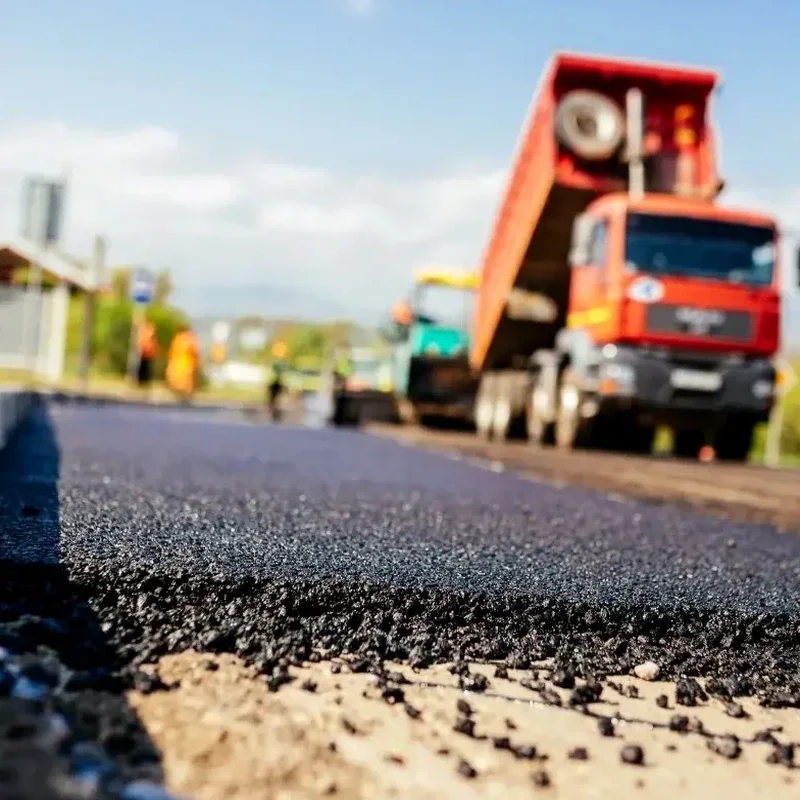
For a commercial lot with moderate truck traffic, we typically specify 75–100 mm of hot-mix asphalt in two lifts over 400–600 mm of granular base, depending on subgrade conditions. The base thickness is the real variable—on Champlain clay sites in the lower city, the frost protection requirement often controls and pushes total granular thickness above 700 mm.

What does flexible pavement design cost in Quebec City?

A complete pavement design package—including subgrade investigation, CBR testing, structural analysis, and construction specifications—typically ranges from CA$2,530 to CA$6,380 depending on site size, traffic complexity, and whether frost heave modeling is required. Small residential approaches fall at the lower end; arterial roads with ESALs above 10⁶ are at the upper end.

Location and service area

We serve projects in Quebec City and surrounding areas.

View larger map