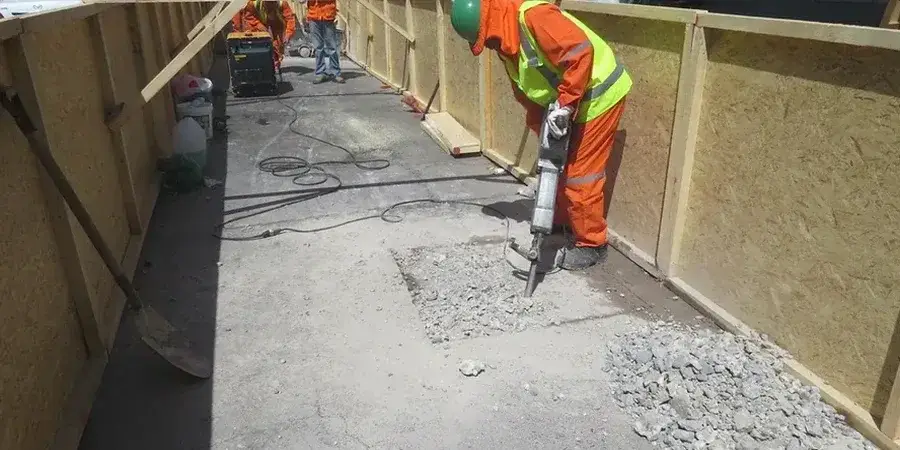
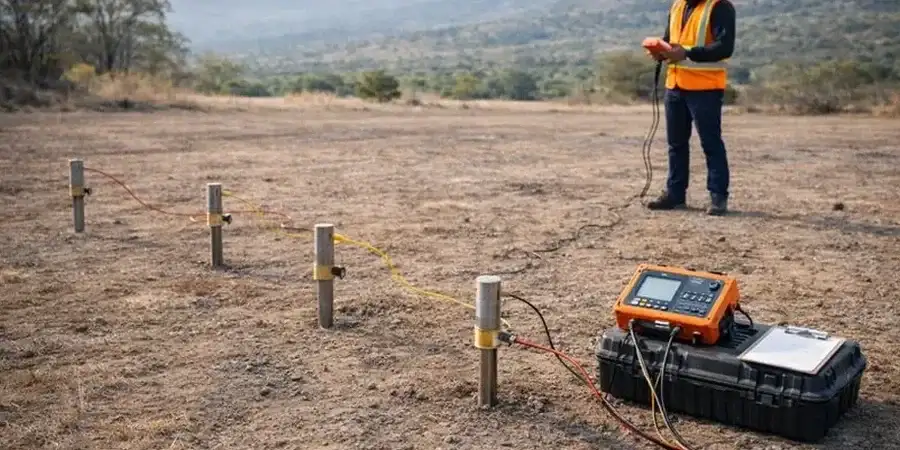
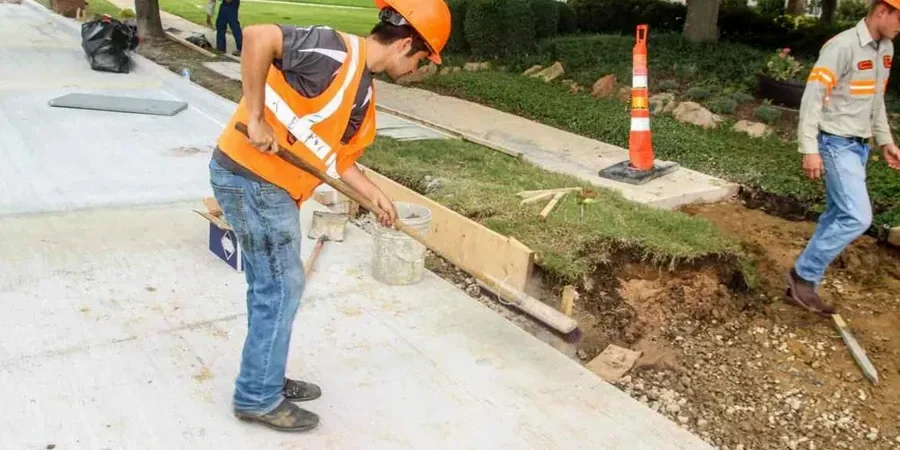
Quebec City sits squarely within the seismically active Charlevoix Seismic Zone, making rigid pavement design a matter of structural resilience, not just ride quality. The native soils here are predominantly glacial tills, marine clays from the Champlain Sea incursion, and alluvial deposits along the St. Lawrence River—materials that can lose significant stiffness under frost action. Our team integrates subgrade reaction modulus values derived from these specific soil profiles to avoid curling stresses and mid-panel cracking down the line. We see too many designs imported from southern Ontario that fail within five winters because they underestimate Quebec City’s frost penetration, which routinely reaches 1.5 meters depth. Before finalizing slab thickness, we often coordinate in-situ permeability testing to quantify drainage characteristics of the underlying till, a step that directly influences the design of the subbase layer and joint spacing under freeze-thaw cycling.
In Quebec City's frost-susceptible soils, a rigid pavement is only as durable as the drainage layer beneath it—get the subbase wrong and the slabs will fault within three winters.