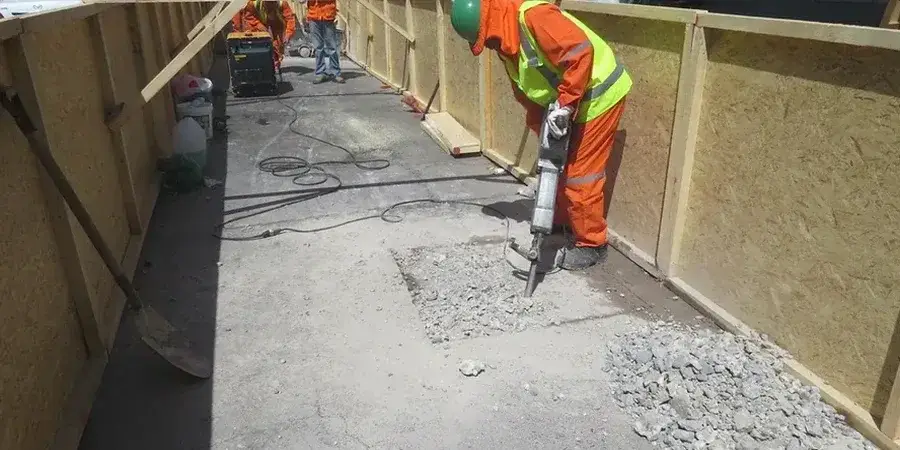
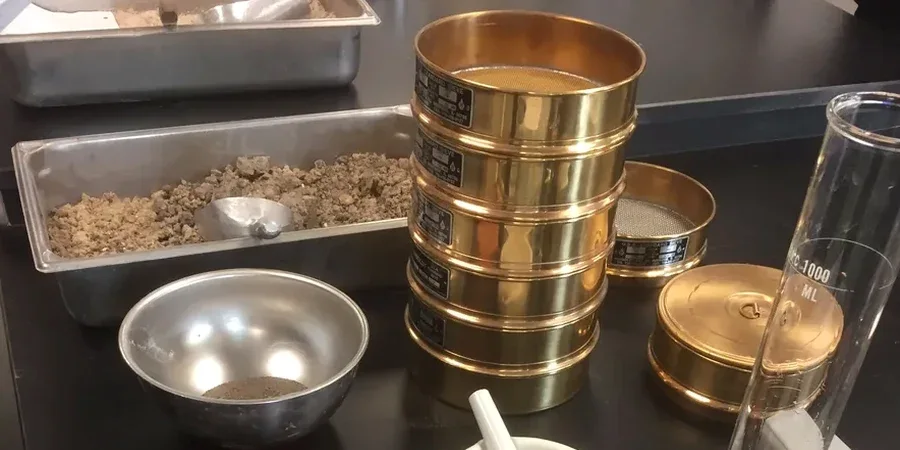
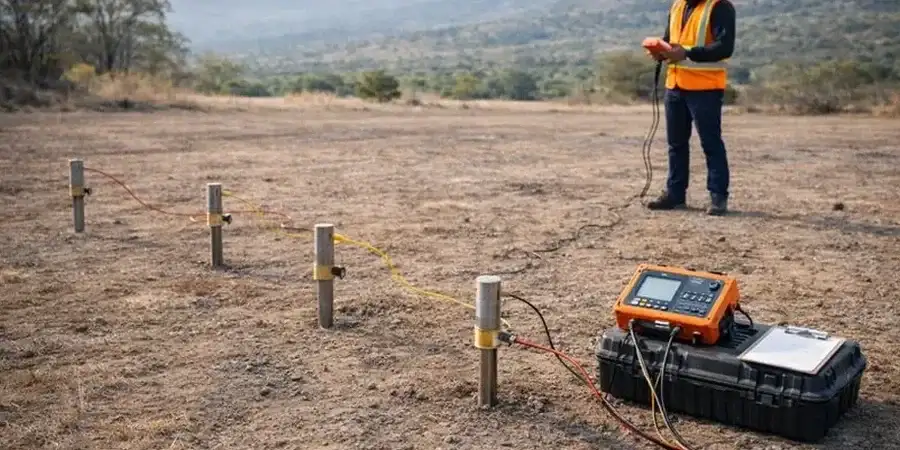
Quebec City sits on a geological stage built from the St. Lawrence Platform, where deep deposits of sensitive Champlain Sea clay meet fractured shale of the Appalachian foothills. With a frost depth reaching 1.5 meters and a seismic hazard model that demands ductile detailing per the 2020 NBCC, anchoring into these formations is never a routine task. A single misjudged bond length in the soft silts of the Limoilou district or an overlooked ice lens in the Cap-Rouge terrace can set a project back by months. We design deep excavation support systems and permanent retaining structures by correlating grout-to-ground bond values with the specific mineralogy of the site rather than applying textbook defaults.
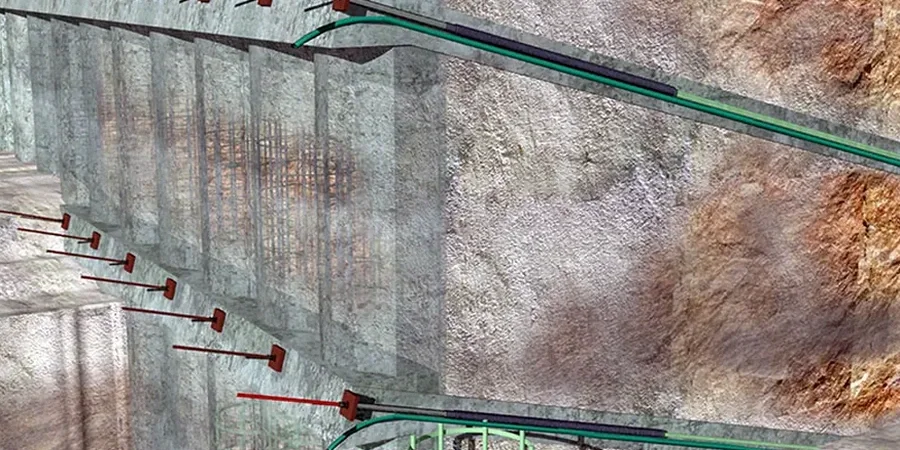
The design process integrates CSA A23.3 provisions for tendon corrosion protection and ASTM A615 material specs, but the real value comes from understanding how the anchor will behave during the January freeze-thaw cycle versus the August construction window. Whether the project involves stabilizing a historic masonry wall in Old Quebec or securing a cut-and-cover metro station, the anchor type—active or passive—must be selected after evaluating the allowable deformation of the adjacent structures and the long-term creep potential of the native clay.
An anchor isn't just a bar in the ground—it's a pre-assembled load path that must survive Quebec City's freeze-thaw cycles without losing a single kilonewton of design force.