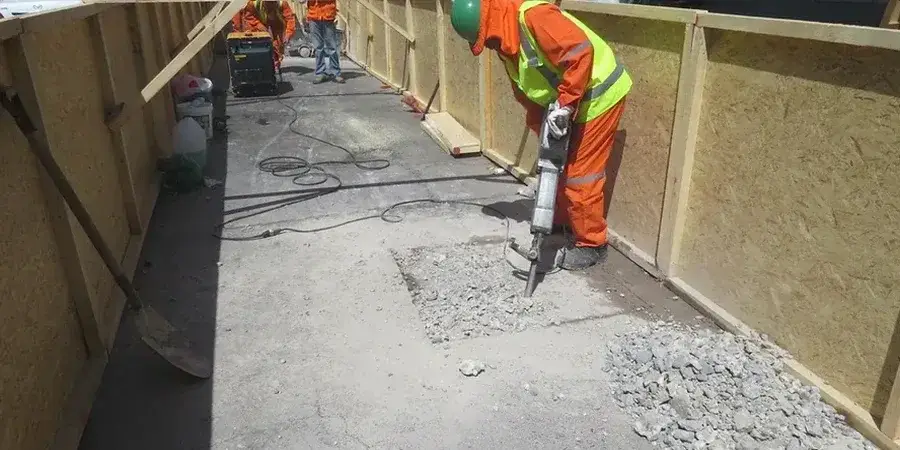
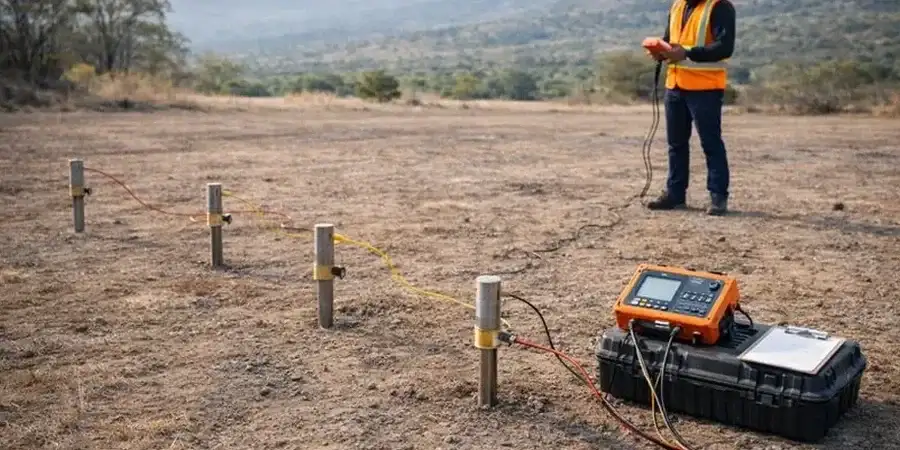
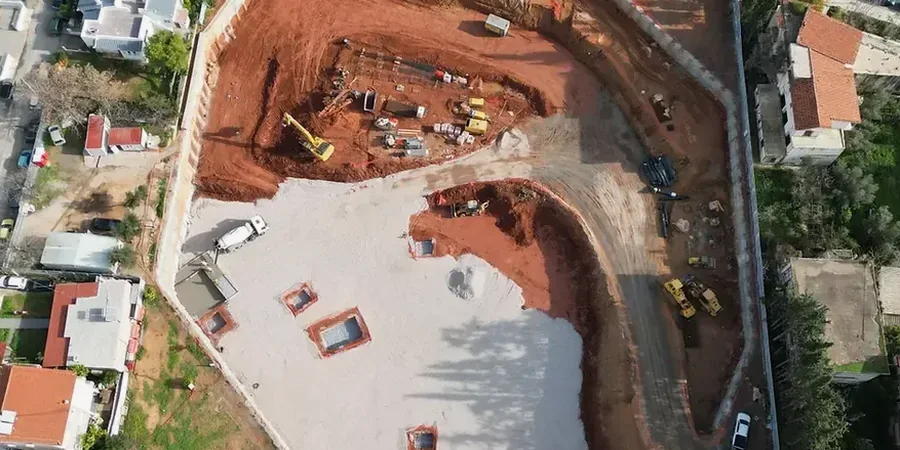
Excavating in the heart of Old Quebec versus the newer sectors of Sainte-Foy reveals two completely different engineering worlds, even though they are separated by only a few kilometers. The historic district sits on a promontory of highly jointed shale and sandstone of the Appalachian foothills, while the St. Lawrence lowlands are dominated by deep, sensitive clay deposits left behind by the Champlain Sea. A design that works flawlessly in the silty till of Lebourgneuf can face unexpected basal heave just a few blocks north when it encounters thick marine clay. This sharp geological contrast demands a geotechnical investigation that goes far beyond a generic desktop study. Our team integrates in-situ data, laboratory strength testing, and local construction background to develop shoring and bracing systems tailored to the specific unit you encounter, whether it is the competent bedrock at Cap Diamant or the compressible clays near the river. When the excavation depth exceeds 6 meters in these sensitive soils, we often recommend coupling the design with inclinometer monitoring to verify that lateral deformations stay within the limits predicted by our finite element models.
In Quebec City's Champlain Sea clays, the difference between a successful excavation and a costly collapse often comes down to correctly identifying the depth of the weathered crust and its influence on passive resistance.