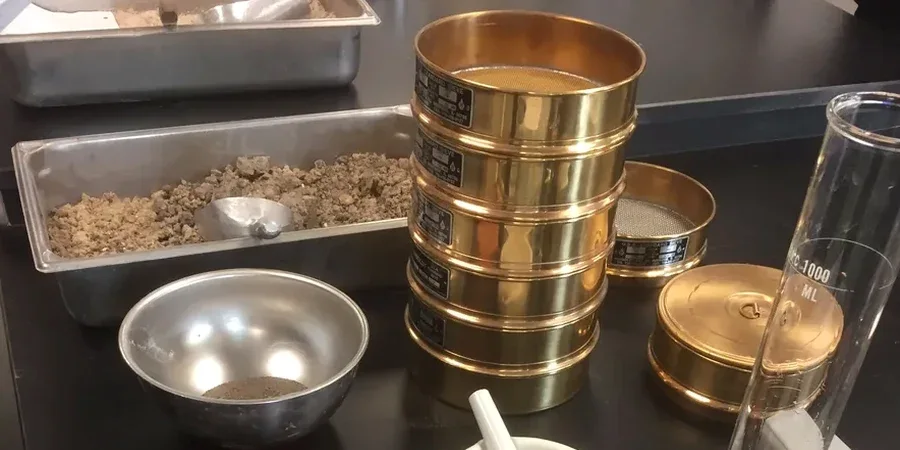
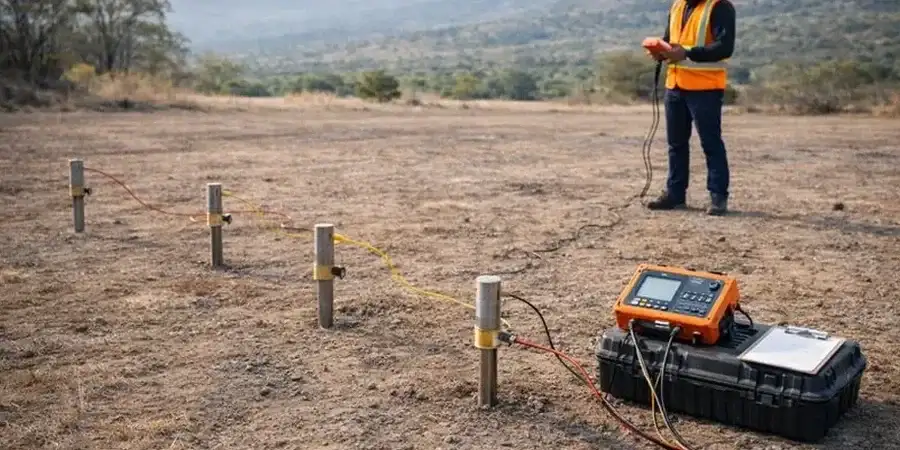
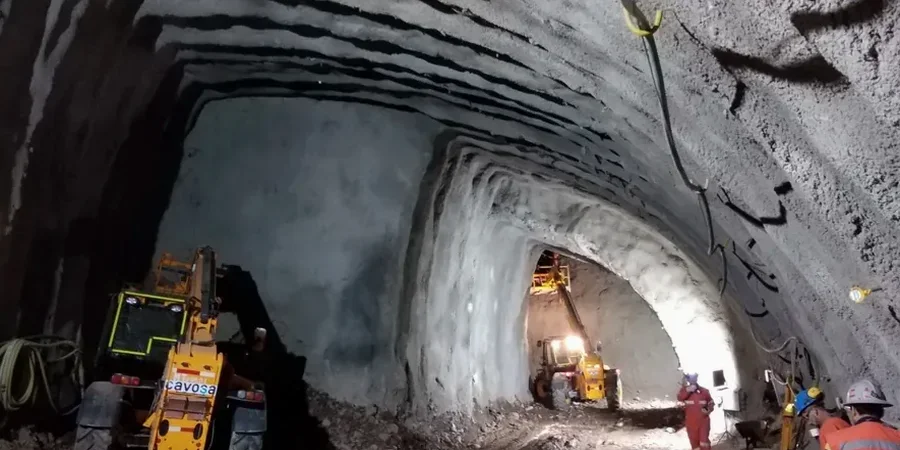
The excavation of a new collector sewer tunnel beneath Rue Saint-Jean in Old Quebec encountered a lens of soft, saturated silty clay at just 7 meters depth—material that had never appeared in the preliminary desktop study. Within 48 hours, our laboratory team mobilized undisturbed sampling equipment and began a full suite of triaxial and consolidation tests, because in this city the Champlain Sea deposits don’t read the geological maps. Tunneling through Quebec City’s post-glacial soils requires more than standard borehole logging; it demands a continuous dialogue between the face conditions and the lab to recalibrate stand-up time predictions and face pressure parameters. We run the triaxial shear strength program under multiple confining pressures to capture the brittle behavior of the sensitive clays that dominate the Saint Lawrence lowlands, while in-situ permeability tests at tunnel depth help refine the dewatering and grouting strategy before the TBM advances another meter.
In Quebec City’s sensitive Champlain clays, a remolded undrained shear strength below 5 kPa can trigger running ground in minutes if face pressure drops.